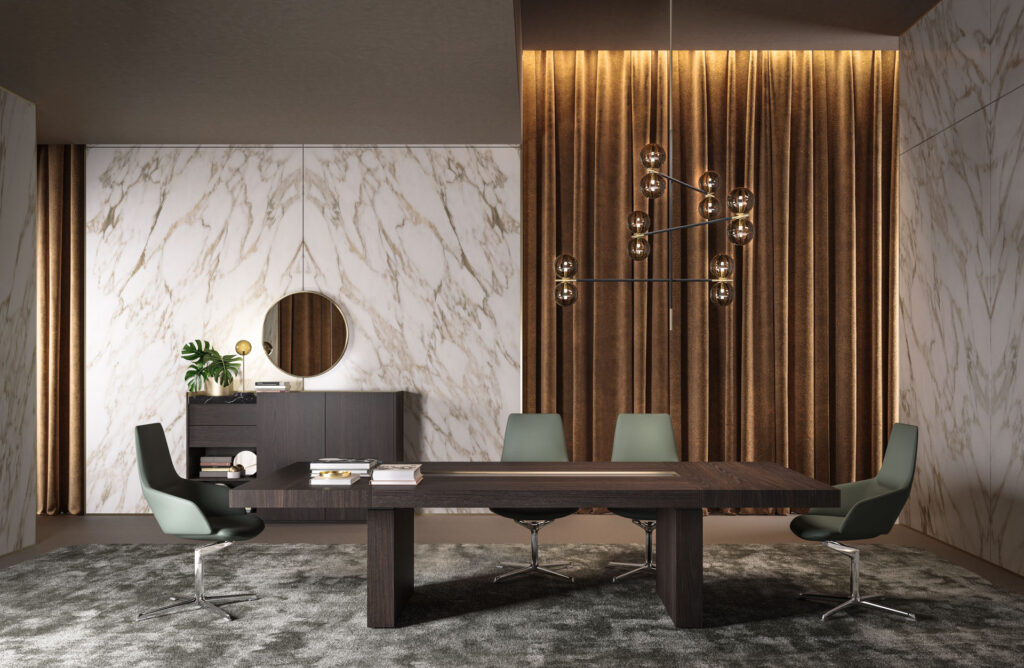
Balancing Act: The Art of Mixing Traditional and Modern Office Furniture

In the vibrant tapestry of contemporary offices, the blending of traditional and modern office furniture has become an art form. Striking the right balance between classic and cutting-edge designs not only enhances the aesthetic appeal of the workspace but also fosters a harmonious and productive atmosphere for employees.

Embracing Tradition

Traditional office furniture brings a sense of timeless elegance and solidity to the workplace. Rich wood finishes, intricate detailing, and sturdy craftsmanship characterize this style. Incorporating classic pieces like mahogany desks or leather-bound chairs adds a touch of sophistication, creating an environment that exudes professionalism and reliability.

Modern Innovations

On the flip side, modern office furniture embraces sleek lines, minimalist design, and ergonomic functionality. Contemporary materials like glass and metal offer a fresh, futuristic vibe. Adjustable standing desks, modular workstations, and ergonomic chairs cater to the evolving needs of a workforce that values flexibility and efficiency.

Finding Harmony

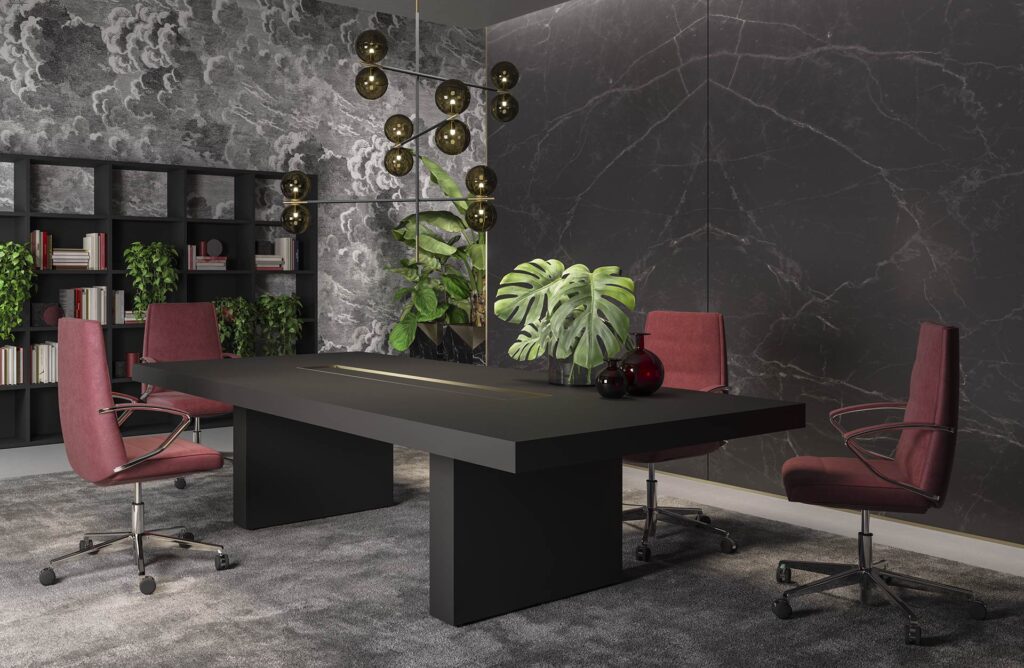
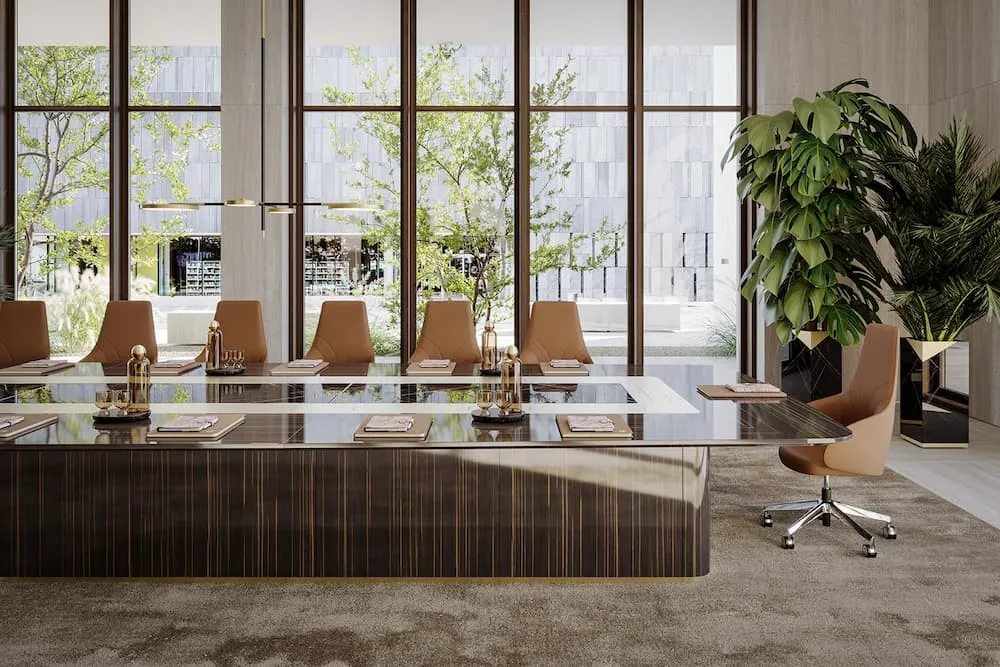
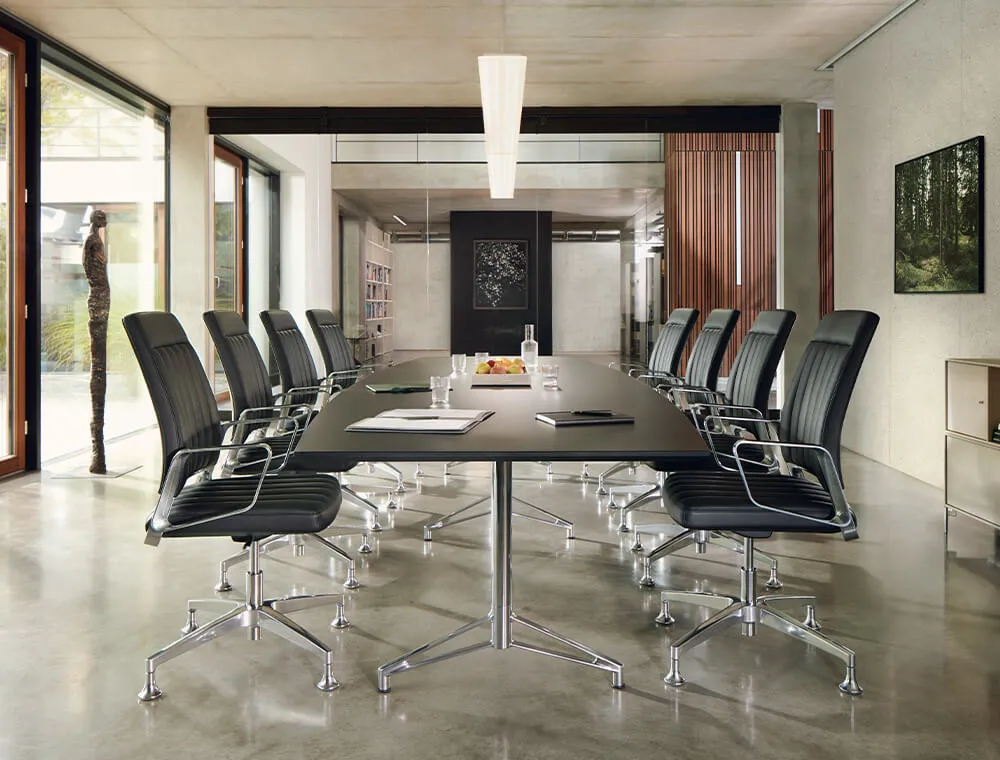
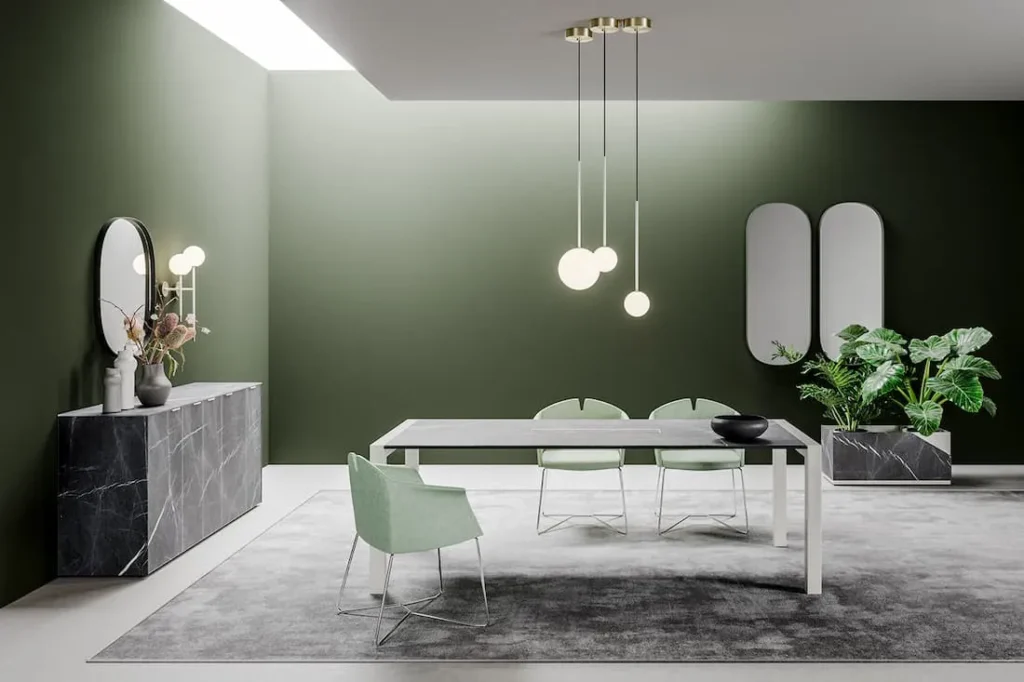
Achieving the perfect blend involves strategic placement and thoughtful design. Pairing a traditional wooden conference table with modern, ergonomic chairs can create a space where timeless meetings seamlessly merge with the demands of the digital age. Harmonizing color schemes and textures ensures a cohesive look that appeals to both classic sensibilities and modern tastes.

Flexibility is Key

One of the advantages of combining traditional and modern office furniture is the flexibility it offers. Adaptable workspaces cater to diverse work styles, accommodating the preferences of employees with different needs. A workspace that seamlessly integrates both styles can inspire creativity and adaptability among the team.

Enhancing Productivity

The artful fusion of traditional and modern elements is not just about aesthetics; it directly impacts productivity. A well-designed office space can motivate employees, improve focus, and foster a positive work environment. By acknowledging the strengths of each style, companies can create an inspiring workplace that reflects a balance between tradition and innovation.

Cost-Effective Solutions

Contrary to common belief, achieving this balance doesn’t always mean a hefty price tag. Mixing traditional and modern office furniture allows companies to make strategic investments. Investing in timeless, durable pieces for communal areas while opting for modular and adaptable solutions for individual workstations can strike a cost-effective balance.

In essence, the fusion of traditional and modern furniture creates a harmonious workplace that speaks volumes about the company’s ethos. Offispace, with its commitment to providing versatile and high-quality office furniture solutions, understands the significance of this balance. Visit Offispace to explore a range of furniture options that seamlessly blend the best of both worlds, enhancing your office environment for years to come.

The Future of Meeting Rooms. Tech-Enhanced Collaboration Spaces

Meeting rooms have evolved from traditional spaces into dynamic hubs for collaboration. The future promises even more exciting transformations as technology continues to reshape the way we work together. Let’s delve into the upcoming trends that are set to redefine meeting rooms, turning them into tech-enhanced collaboration spaces that foster innovation and productivity.

  1. Interactive Whiteboards and Smart Displays

Gone are the days of static presentations. The future meeting room is a canvas for creativity, thanks to interactive whiteboards and smart displays. These advanced tools allow teams to brainstorm, annotate, and collaborate in real time, breaking down geographical barriers and encouraging a more engaging exchange of ideas.

  1. Virtual and Augmented Reality Integration

Imagine stepping into a meeting room and instantly being transported to a virtual space where you can interact with 3D models or collaborate with colleagues from around the globe. Virtual and augmented reality are poised to revolutionize the way we conduct meetings, making them more immersive and inclusive.

  1. Intelligent Automation for Seamless Experiences

Automation is not just about efficiency; it’s about creating seamless meeting experiences. From voice-activated controls that adjust lighting and temperature to AI-driven scheduling assistants that optimize meeting times, intelligent automation ensures that the focus remains on collaboration rather than logistical hiccups.

  1. Flexible Furniture Configurations

The meeting rooms of the future will prioritize adaptability. Modular and flexible furniture solutions will allow quick and easy reconfigurations to accommodate different meeting formats. Whether it’s a brainstorming session, a formal presentation, or a casual discussion, the furniture will adapt to support the specific needs of each encounter.

  1. Enhanced Connectivity and 5G Integration

Buffering and connectivity issues will be relics of the past. With the widespread adoption of 5G technology, meeting rooms will offer seamless, high-speed connectivity. This ensures that virtual participants can actively contribute, and collaborative tools operate without lag, creating a truly synchronized collaborative environment.

The evolution of meeting rooms into tech-enhanced collaboration spaces marks a pivotal moment in the way we conduct business. As we embrace interactive whiteboards, virtual reality, intelligent automation, flexible furniture configurations, and enhanced connectivity, the possibilities for innovation become limitless. To stay ahead in this rapidly changing landscape, businesses must invest in solutions that empower their teams to collaborate seamlessly.

At Offispace, we understand the importance of creating future-ready meeting spaces. Explore our range of innovative office furniture solutions at Offispace to transform your workplace into a hub of collaboration and productivity.

The Power of Lighting – Illuminating the Path to Productivity

In the bustling world of modern workspaces, where efficiency and productivity reign supreme, the importance of lighting often goes unnoticed. Yet, the impact of lighting on our well-being and work output is profound. In this blog post, we’ll explore the crucial role that lighting plays in shaping the dynamics of a productive office environment.

The Science Behind Lighting and Productivity

Scientifically, lighting has a direct influence on our circadian rhythm, affecting our alertness and energy levels. Exposure to natural light during the day has been proven to enhance mood and regulate sleep patterns. Artificial lighting, when optimized, can mimic these effects, promoting a healthier and more productive work atmosphere.

Optimal Lighting for Different Spaces

Not all spaces are created equal, and neither should their lighting be. Consider the balance between natural and artificial lighting in different areas of your office. Task lighting for workstations, ambient lighting for collaborative spaces, and accent lighting for breakout areas—each plays a unique role in creating an environment that fosters productivity.

The Role of Color Temperature

The color temperature of lighting can significantly impact the mood and focus of employees. Warm light (yellow tones) is soothing and is ideal for relaxation areas, while cool light (blue tones) enhances alertness and concentration, making it suitable for task-oriented workspaces. Striking the right balance is key to achieving an optimal and comfortable setting.

Energy-Efficient Lighting Solutions

In the era of sustainability, energy-efficient lighting is not just a buzzword—it’s a necessity. LED lighting, for instance, not only consumes less energy but also has a longer lifespan, reducing maintenance costs. By embracing eco-friendly lighting solutions, companies can contribute to a greener planet while creating a more cost-effective and sustainable work environment.

The Impact of Lighting on Employee Well-being

Beyond productivity, lighting plays a crucial role in promoting employee well-being. Poor lighting conditions can lead to eye strain, headaches, and a general sense of discomfort. On the other hand, a thoughtfully illuminated workspace can contribute to a positive work culture, fostering content and healthy employees.

Smart Lighting Systems for Enhanced Control

Welcome to the era of smart offices. Implementing smart lighting systems allows for greater control over the office environment. Automated adjustments based on occupancy, time of day, and individual preferences not only enhance the overall experience but also contribute to energy conservation.

As we navigate the intricate relationship between lighting and productivity, it becomes evident that a well-lit workspace is a cornerstone of success. From the science-backed benefits to the practical implementation of lighting solutions tailored to different spaces, the path to a more productive office is brilliantly illuminated. To transform your workspace into a beacon of efficiency, consider exploring the diverse range of office furniture solutions at Offispace, where innovation meets functionality.

Illuminate your path to productivity with Offispace—your partner in creating dynamic and efficient work environments.

The Benefits of Biophilic Design for Your Office and Well-Being

In today’s fast-paced and technology-driven world, it’s easy to feel disconnected from nature, especially when spending long hours in an office environment. However, there’s a growing trend in office design that aims to bring the outdoors in and improve both employee well-being and productivity: biophilic design.

What is Biophilic Design?

Biophilic design is a concept that incorporates elements of nature into the built environment, fostering a stronger connection between humans and the natural world. This design approach utilizes natural materials, greenery, natural light, and views of nature to create a more harmonious and stimulating workspace.

Boosting Employee Well-Being

Numerous studies have shown the positive impact of biophilic design on employee well-being. Exposure to natural elements like sunlight, plants, and water features has been linked to reduced stress levels, improved mood, and increased productivity. Research suggests that employees who work in spaces with biophilic elements report higher levels of satisfaction and lower rates of absenteeism.

Enhancing Productivity

A well-designed office environment can significantly impact employee productivity. Biophilic design elements such as natural light and views of nature can help reduce eye strain and fatigue, leading to improved concentration and focus. Additionally, incorporating greenery into the workspace has been shown to increase creativity and problem-solving skills, leading to greater innovation and success.

Improving Air Quality

Indoor air quality is a crucial factor in maintaining a healthy and productive work environment. Biophilic design encourages the use of plants, which not only add visual appeal but also help purify the air by removing toxins and releasing oxygen. This can lead to a cleaner and healthier indoor environment, reducing the risk of respiratory issues and promoting overall well-being.

Creating a Positive Work Culture

Incorporating biophilic design principles into the office can also foster a positive work culture. By prioritizing employee well-being and creating a more inviting and comfortable workspace, employers demonstrate their commitment to their team’s health and happiness. This can lead to greater employee satisfaction, higher morale, and increased loyalty to the company.

In conclusion, incorporating biophilic design into your office space can offer a wide range of benefits for both employees and employers alike. From boosting well-being and productivity to improving air quality and fostering a positive work culture, the advantages are clear. So why not take the first step towards creating a more harmonious and inspiring workspace? Visit Offispace for innovative office furniture solutions designed to help you embrace the power of biophilic design.

Offispace – Your partner in creating healthier and more productive work environments.

How to Optimize Your Office Layout for Productivity and Collaboration

The design and layout of your office space play a pivotal role in shaping productivity and fostering collaboration among your team members. From open-plan layouts to dedicated collaborative zones, there are various strategies you can implement to create an environment that maximizes efficiency and teamwork. In this comprehensive guide, we’ll explore practical tips and innovative ideas to help you optimize your office layout for enhanced productivity and collaboration.

  1. Embrace Flexible Workspaces: 

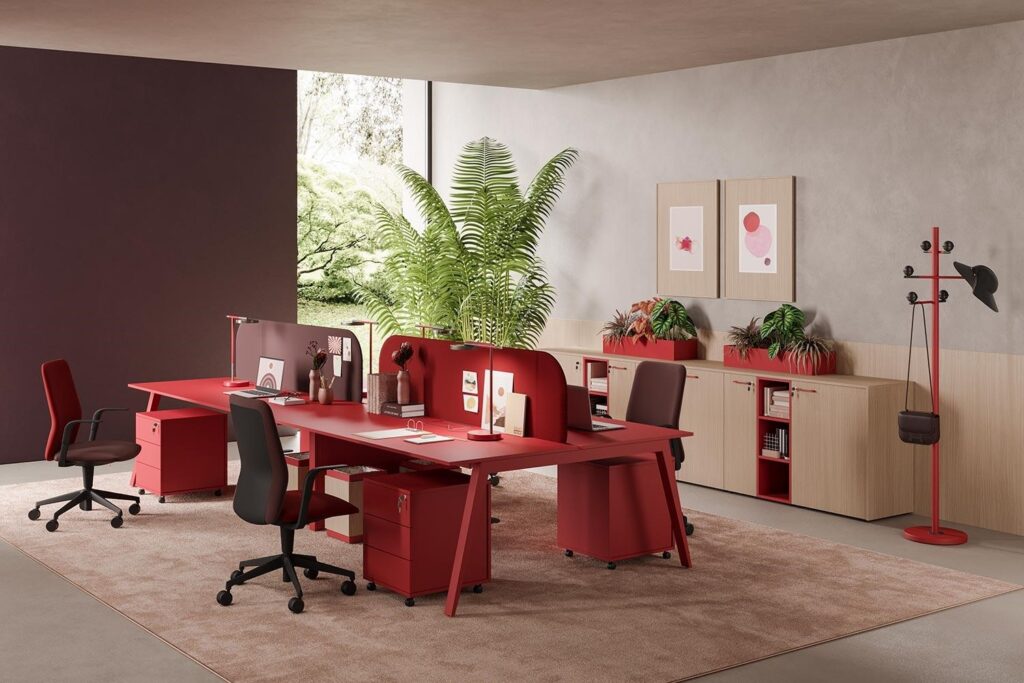
Gone are the days of rigid cubicles and fixed seating arrangements. Embrace the concept of flexible workspaces that cater to different work styles and preferences. Incorporate adjustable desks, movable partitions, and modular furniture to allow employees to customize their work environment based on their tasks and preferences.

  1. Create Collaborative Zones:

Encourage spontaneous interactions and idea exchange by creating dedicated collaborative zones within your office space. Whether it’s a cozy lounge area, a brainstorming corner with whiteboards, or a communal table for impromptu meetings, providing designated spaces for collaboration can stimulate creativity and innovation.

  1. Prioritize Natural Light and Greenery: 

Natural light and indoor plants not only enhance the aesthetic appeal of your office but also have a significant impact on employee well-being and productivity. Position workstations near windows to maximize exposure to natural light, and incorporate greenery throughout the space to improve air quality and reduce stress levels.

  1. Implement Ergonomic Design Principles:

Invest in ergonomic furniture and design elements that prioritize employee health and comfort. Adjustable chairs, standing desks, and ergonomic accessories can help prevent fatigue and reduce the risk of musculoskeletal disorders, allowing your team to stay focused and productive throughout the day.

  1. Optimize Layout for Workflow Efficiency: 

Analyze your team’s workflow and design your office layout accordingly to minimize unnecessary distractions and optimize productivity. Consider factors such as departmental proximity, traffic flow, and accessibility to shared resources when planning the layout of your workspace.

  1. Promote Connectivity with Technology: 

Leverage technology to facilitate seamless communication and collaboration among your team members, regardless of their physical location. Implement collaborative tools, project management software, and video conferencing solutions to ensure that remote and in-house employees can work together effectively.

  1. Encourage Breaks and Movement:

Recognize the importance of regular breaks and physical movement in maintaining productivity and employee well-being. Designate areas for relaxation and rejuvenation, such as breakout spaces or game rooms, where employees can unwind and recharge before returning to work refreshed and refocused.

  1. Foster a Culture of Collaboration: 

Beyond physical design elements, cultivating a culture of collaboration is essential for maximizing teamwork and productivity in the workplace. Encourage open communication, teamwork, and knowledge sharing among your team members to foster a collaborative mindset that transcends physical boundaries.

To conclude, optimizing your office layout for productivity and collaboration requires a holistic approach that encompasses both physical design elements and cultural initiatives. By embracing flexible workspaces, creating collaborative zones, prioritizing natural light and ergonomic design, and leveraging technology to facilitate connectivity, you can create an environment that empowers your team to excel. Remember, the key to success lies in understanding your team’s needs and designing a workspace that supports their productivity and collaboration. For innovative office furniture solutions that enhance your workspace, visit Offispace today!

How to Incorporate Ergonomics and Wellness into Your Office Furniture

Incorporating ergonomics and wellness into your office furniture can have a significant impact on both the health and productivity of your team. In this blog post, we’ll explore practical tips and strategies to help you optimize your office furniture for maximum comfort and efficiency.

  1. Prioritize Ergonomic Design

When selecting office furniture, prioritize pieces that are designed with ergonomics in mind. Ergonomic chairs with adjustable seat height, lumbar support, and armrests can help reduce the risk of musculoskeletal disorders and promote proper posture. Additionally, adjustable desks that allow employees to alternate between sitting and standing can help reduce the negative effects of prolonged sitting, such as back pain and decreased circulation.

  1. Consider Comfort and Support

Comfort should be a top consideration when choosing office furniture. Look for chairs and desks that are padded and provide ample support for the back, neck, and arms. Additionally, opt for ergonomic accessories such as footrests and wrist rests to further enhance comfort and reduce strain during long hours of work.

  1. Promote Movement and Flexibility

Encourage movement and flexibility in the workplace by incorporating furniture that facilitates collaboration and mobility. Consider modular workstations that can be easily reconfigured to accommodate different tasks and group sizes. Providing employees with access to adjustable monitor arms and keyboard trays can also promote better ergonomics and allow for greater customization of workspaces.

  1. Integrate Wellness Features

Incorporating wellness features into your office furniture can help create a more holistic approach to employee well-being. Consider adding ergonomic accessories such as standing mats and balance boards to encourage active sitting and improve circulation. Additionally, incorporating elements of biophilic design, such as indoor plants and natural lighting, can help reduce stress and enhance overall mood and productivity.

  1. Encourage Breaks and Movement

Encourage employees to take regular breaks and incorporate movement into their daily routines. Provide designated breakout areas with comfortable seating and ergonomic furniture where employees can relax and recharge. Consider offering incentives for taking breaks or implementing wellness programs that promote physical activity and mindfulness.

In conclusion, creating a workspace that prioritizes ergonomics and wellness is essential for promoting employee health, happiness, and productivity. By selecting office furniture that is designed with comfort, support, and flexibility in mind, you can create a workspace that fosters a culture of well-being and success. At Offispace, we understand the importance of incorporating ergonomics and wellness into your office furniture solutions. Visit our website today to explore our wide range of ergonomic and stylish furniture options designed to optimize your workspace for maximum comfort and efficiency.

Incorporating ergonomics and wellness into your office furniture isn’t just about following trends; it’s about investing in the health and happiness of your most valuable asset—your employees. By prioritizing comfort, support, and flexibility in your office furniture choices, you can create a workspace that promotes productivity, creativity, and overall well-being.

Human-Centered Design Transforming Offices into Employee-Centric Spaces

Companies are constantly seeking innovative ways to enhance productivity, boost employee morale, and attract top talent. One such solution gaining traction is human-centered design, a philosophy that puts people at the forefront of workplace environments. By prioritizing the needs and preferences of employees, human-centered design has the power to transform traditional offices into vibrant, employee-centric spaces that foster collaboration, creativity, and well-being.

At the heart of human-centered design is the recognition that every individual is unique, with distinct preferences, work styles, and comfort levels. Gone are the days of one-size-fits-all office layouts dominated by cubicles and generic furniture. Instead, companies are embracing flexible layouts that cater to diverse needs, whether it’s providing quiet areas for focused work, collaborative zones for team projects, or cozy nooks for relaxation and recharge.

One key aspect of human-centered design is ergonomic furniture, which prioritizes comfort and health to support employees in their day-to-day tasks. Adjustable desks, ergonomic chairs, and monitor stands are just a few examples of how companies are investing in furniture solutions that promote good posture, reduce fatigue, and minimize the risk of repetitive strain injuries. By prioritizing employee well-being, companies can improve productivity and reduce absenteeism, ultimately driving business success.

In addition to physical comfort, human-centered design also considers the psychological and emotional well-being of employees. This includes factors such as lighting, color schemes, and access to nature. Natural light and biophilic elements have been shown to enhance mood, increase productivity, and reduce stress levels. Incorporating these elements into office spaces can create a more inviting and inspiring environment that supports employee happiness and engagement.

Furthermore, human-centered design encourages personalization and customization within the workplace. Employees are given the freedom to personalize their workstations with photos, plants, and meaningful decor that reflect their personalities and interests. This sense of ownership not only fosters a stronger connection to the workspace but also boosts morale and creativity. Moreover, customizable furniture solutions allow companies to adapt to changing needs and preferences, ensuring that the office remains dynamic and responsive to its occupants.

Collaboration and communication are essential components of any successful workplace, and human-centered design prioritizes creating spaces that facilitate interaction and teamwork. Open-plan layouts, communal areas, and shared workspaces encourage spontaneous collaboration and idea exchange, breaking down silos and fostering a culture of innovation. By creating opportunities for serendipitous encounters and informal discussions, companies can harness the collective intelligence of their workforce and drive meaningful progress.

In conclusion, human-centered design represents a paradigm shift in the way we approach office environments. By prioritizing the needs and preferences of employees, companies can create spaces that promote well-being, productivity, and collaboration. From ergonomic furniture to biophilic design elements, every aspect of the workplace is carefully crafted to enhance the employee experience. As companies continue to embrace human-centered design principles, they will not only attract top talent but also cultivate a culture of innovation and excellence.

Offispace is committed to providing cutting-edge office furniture solutions that embody the principles of human-centered design. With our ergonomic and customizable furniture options, we empower companies to create employee-centric spaces that inspire creativity, collaboration, and well-being. Visit Offispace website to explore our diverse range of office furniture and transform your office into a hub of innovation and productivity.

The Art of Collaboration Crafting Spaces that Inspire Teamwork

Collaboration is not just a buzzword; it’s a key driver of innovation and success. As organizations strive to foster a culture of teamwork, the physical workspace plays a pivotal role in shaping collaborative dynamics. In this blog post, we’ll explore the art of crafting spaces that inspire teamwork and delve into the importance of thoughtful office furniture solutions.

The Evolution of Workspace Dynamics

Gone are the days of isolated cubicles and closed-off offices. Modern businesses understand that collaboration breeds creativity and productivity. The open office concept has gained popularity, breaking down physical barriers and encouraging spontaneous interactions among team members. However, achieving effective collaboration goes beyond tearing down walls—it requires a thoughtful approach to office design.

Designing for Interaction

The layout and design of an office space significantly impact how employees interact with each other. Consider creating designated collaborative zones that are strategically placed throughout the office. These spaces can range from cozy nooks with comfortable seating to larger, multipurpose meeting areas. The goal is to provide diverse environments that cater to different collaboration styles, whether it’s a casual brainstorming session or a formal team meeting.

The Role of Office Furniture

Enter the unsung heroes of collaborative spaces: office furniture solutions. Ergonomic chairs, versatile desks, and modular furniture not only contribute to the aesthetics of an office but also play a crucial role in supporting collaboration. Flexible furniture allows for easy reconfiguration of spaces, adapting to the evolving needs of teams and projects.

Embracing Technology Integration

In the digital age, collaboration is not confined to physical spaces alone. Technology plays a vital role in connecting team members, regardless of their physical location. Incorporating smart furniture solutions that seamlessly integrate with technology can enhance the collaborative experience. Think interactive whiteboards, adjustable monitor arms, and charging stations strategically embedded in communal areas.

Nurturing a Collaborative Culture

Effective collaboration is not solely dependent on the physical environment; it’s deeply rooted in the organizational culture. Encourage open communication, foster a sense of shared purpose, and recognize and celebrate collaborative achievements. A collaborative culture complements the physical workspace, creating a dynamic synergy that propels teams toward success.

Balancing Collaboration and Focus

While collaboration is essential, it’s equally important to provide spaces for focused work. Striking the right balance ensures that employees have the freedom to collaborate when needed while also having the option to retreat to quiet, focused areas when concentration is paramount. This duality acknowledges the multifaceted nature of work and the diverse needs of individuals within a team.

Sustainability in Workspace Design

As businesses embrace the importance of collaboration, there’s a growing awareness of the impact office design has on the environment. Sustainable office furniture solutions not only contribute to a greener planet but also reflect a commitment to responsible business practices. Look for furniture made from recycled materials, energy-efficient lighting, and eco-friendly manufacturing processes to align workspace design with environmental consciousness.

Ultimately, crafting spaces that inspire teamwork is an art that requires a holistic approach. From the layout of the office to the selection of office furniture solutions, every element contributes to the collaborative ecosystem. Offispace understands the intricate balance between form and function, offering innovative solutions that transform workplaces into hubs of creativity and collaboration. In the ever-evolving landscape of business, investing in the art of collaboration is not just a choice—it’s a strategic imperative.

Explore Offispace range of innovative office furniture solutions today. Your journey to a more dynamic and collaborative office environment starts here.

Ergonomic Seating

The average worker spends more than 13 years of their life at the office, which equates to a lot of time sitting. Yet study after study shows that sitting for extended periods can lead to numerous health problems, which is precisely why ergonomic seating is necessary for every office. Poor office seating can lead to back pain, employee dissatisfaction, and a reduction in productivity.

Ergonomics, or the science of designing and arranging workplaces, products, and systems so they fit the people who use them, is a crucial factor when picking the right office chair for your organization. Don’t worry. Finding the right ergonomic seat is not difficult if you know what to look for. We are here to help.

What is an ergonomic office chair?

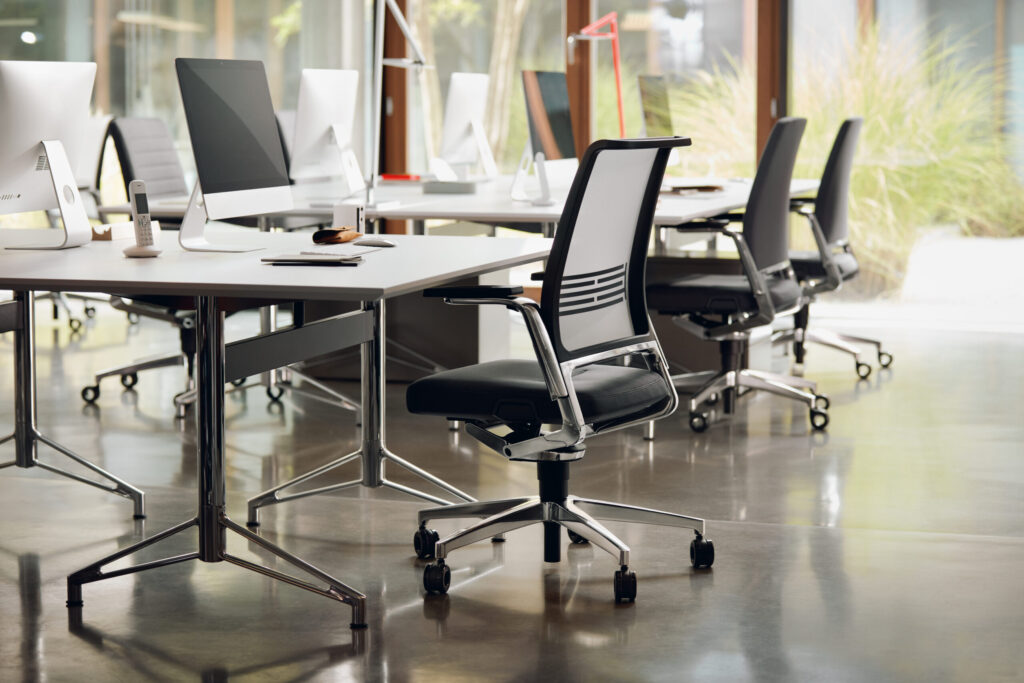
Simply put, it is a chair designed for long-term comfort while seated at work. Ergonomic chairs support the body when sitting at a desk, in a lounge area, or conference room. Ergonomic seating helps improve posture, support the back, distribute weight, increase worker comfort, reduce fatigue, and allow for movement.

Studies have shown that comfortable employees are more productive and contribute to a more positive work environment than uncomfortable employees. Having the correct, comfortable office chair reduces the number of breaks the employee will need to take due to being uncomfortable.

Sitting in chairs that were not designed with ergonomics in mind can cause several health risks. They can increase back, neck, and shoulder pain; increase your risk for cardiovascular disease; increase your blood sugar levels and risks for type 2 diabetes; increase mental health issues like chronic depression and anxiety, and increase your risk for early death (a U.K. study calculated the risk of early death in association with prolonged sitting to be 49% higher in those who had the greatest sedentary time compared to those with the lowest).

A report also found that a significant percentage of workplace-related injuries are linked to outdated and unsafe workplace furniture.

Ergonomic seating products take these problems into consideration. Not all ergonomic seating products are created equally.

Here are a few features to look for when shopping for an ergonomic chair:

Ergonomic office chairs come at a variety of prices. Price does not always equate to value, meaning not every expensive ergonomic office chair is worth the price, and not every bargain chair is a value. Since ergonomic office chairs can prevent so many problems, they should be seen by companies as an important investment in worker health and wellness.

Though ergonomic seating is designed to be adjusted to fit 90% of the population, offices must consider the 10% whose body shape is outside the typical range. A short or petite worker may benefit from a small office chair with a reduced seat size so their knees can bend comfortably and rise high enough that their arms are horizontal to the desk. A worker who is very tall or overweight may need a chair with a steel substructure that can cope with the worker’s extra size. Heavy duty office chairs start at a seated weight of 150kg and go up. Bariatric chairs start at a seated weight of 200kg and hold up to 300kg.

Ergonomics matters, especially to workers. According to a study from Kelton Global, 92% of respondents said that an inadequate workplace would negatively affect their mental health and productivity. Ergonomic furniture increases employee engagement. According to the same Kelton Global study, more than half of American workers believe that having an uncomfortable workspace would cause them displeasure at work.

Ergonomic seating does not work on its own. It is just one piece in a larger ergonomic plan that includes a proper desk, monitor, and office design. If you want to maximize the benefits of an ergonomic office, also consider height-adjustable desks, ergonomic keyboards, and computer monitors that pivot or tilt.

Employees have a role to play in proper ergonomics as well. Even with the best ergonomic seating, workers should get up and move at least once per hour. When seated workers should have ergonomics in mind as well. Don’t cross your legs, remember to keep both feet on a flat surface and keep your shoulders and your back straight.

An excellent quality ergonomic office chair is an investment in the comfort and safety of employees. For employers, ergonomic seating will provide a good return on investment by creating a happy, healthy, and productive work environment.