


Human-Centered Design
 Reading Time:
5 min
Reading Time:
5 min
Contents
- Introduction: The Rise of Human-Centered Design
- Recognizing Individual Needs in the Workplace
- The Role of Ergonomic Furniture
- Supporting Psychological and Emotional Well-Being
- Personalization and Customization in the Office
- Designing for Collaboration and Communication
- Conclusion: A Paradigm Shift in Workplace Design
Introduction: The Rise of Human-Centered Design
Companies are constantly seeking innovative ways to enhance productivity, boost employee morale, and attract top talent. One such solution gaining traction is human-centered design, a philosophy that puts people at the forefront of workplace environments. By prioritizing the needs and preferences of employees, human-centered design has the power to transform traditional offices into vibrant, employee-centric spaces that foster collaboration, creativity, and well-being.
Recognizing Individual Needs in the Workplace
At the heart of human-centered design is the recognition that every individual is unique, with distinct preferences, work styles, and comfort levels. Gone are the days of one-size-fits-all office layouts dominated by cubicles and generic furniture. Instead, companies are embracing flexible layouts that cater to diverse needs, whether it’s providing quiet areas for focused work, collaborative zones for team projects, or cozy nooks for relaxation and recharge.
The Role of Ergonomic Furniture
One key aspect of human-centered design is ergonomic furniture, which prioritizes comfort and health to support employees in their day-to-day tasks. Adjustable desks, ergonomic chairs, and monitor stands are just a few examples of how companies are investing in furniture solutions that promote good posture, reduce fatigue, and minimize the risk of repetitive strain injuries. By prioritizing employee well-being, companies can improve productivity and reduce absenteeism, ultimately driving business success.
Supporting Psychological and Emotional Well-Being
In addition to physical comfort, human-centered design also considers the psychological and emotional well-being of employees. This includes factors such as lighting, color schemes, and access to nature. Natural light and biophilic elements have been shown to enhance mood, increase productivity, and reduce stress levels. Incorporating these elements into office spaces can create a more inviting and inspiring environment that supports employee happiness and engagement.
Personalization and Customization in the Office
Furthermore, human-centered design encourages personalization and customization within the workplace. Employees are given the freedom to personalize their workstations with photos, plants, and meaningful decor that reflect their personalities and interests. This sense of ownership not only fosters a stronger connection to the workspace but also boosts morale and creativity. Moreover, customizable furniture solutions allow companies to adapt to changing needs and preferences, ensuring that the office remains dynamic and responsive to its occupants.
Designing for Collaboration and Communication
Collaboration and communication are essential components of any successful workplace, and human-centered design prioritizes creating spaces that facilitate interaction and teamwork. Open-plan layouts, communal areas, and shared workspaces encourage spontaneous collaboration and idea exchange, breaking down silos and fostering a culture of innovation. By creating opportunities for serendipitous encounters and informal discussions, companies can harness the collective intelligence of their workforce and drive meaningful progress.
Conclusion: A Paradigm Shift in Workplace Design
In conclusion, human-centered design represents a paradigm shift in the way we approach office environments. By prioritizing the needs and preferences of employees, companies can create spaces that promote well-being, productivity, and collaboration. From ergonomic furniture to biophilic design elements, every aspect of the workplace is carefully crafted to enhance the employee experience. As companies continue to embrace human-centered design principles, they will not only attract top talent but also cultivate a culture of innovation and excellence.
Recommended Articles
Human-Centered Design
Introduction: The Rise of Human-Centered Design Companies are constantly seeking innovative ways to enhance productivity, boost employee morale, and attract…
Human-Centered Design
Introduction: The Rise of Human-Centered Design Companies are constantly seeking innovative ways to enhance productivity, boost employee morale, and attract…
Related product
-
-67%
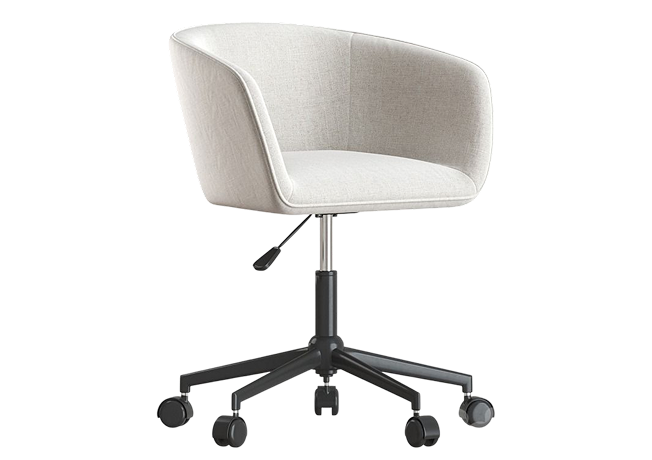 Bashtoul office chair 6 (Copy)SKU: E1C100-7Original price was: 1.000 SAR.333 SARCurrent price is: 333 SAR.Sale!
Bashtoul office chair 6 (Copy)
This chair is not just a piece of furniture, it is your daily partner that supports and takes care of you throughout the long working hours.
 In stock
Original price was: 1.000 SAR.333 SARCurrent price is: 333 SAR.
Payment:


Other News
Human-Centered Design
Introduction: The Rise of Human-Centered Design Companies are constantly seeking innovative ways to enhance productivity, boost employee morale, and attract…
Human-Centered Design
Introduction: The Rise of Human-Centered Design Companies are constantly seeking innovative ways to enhance productivity, boost employee morale, and attract…
Human-Centered Design
Introduction: The Rise of Human-Centered Design Companies are constantly seeking innovative ways to enhance productivity, boost employee morale, and attract…
